
Blockchain Asset Tracking: Ensuring Trust in Digital Gold

More than 80 percent of American businesses now depend on digital systems to track valuable assets, but traditional methods often fall short on transparency and security. As the digital economy expands, organizations face increasing risks from data breaches, fraud, and operational blind spots. Blockchain asset tracking technology offers a powerful alternative that redefines how assets are managed and verified, giving readers practical insights into a technology redefining trust and accountability for both physical and digital investments.
Table of Contents
- Defining Blockchain Asset Tracking Technology
- Types of Assets and Tracking Methods
- How Tokenization Secures Precious Metals
- Proof of Reserve and Transparency Mechanisms
- Investor Protections and Regulatory Compliance
- Risks, Costs, and Common Pitfalls
Key Takeaways
| Point | Details |
|---|---|
| Blockchain Asset Tracking | It utilizes decentralized ledgers to enhance transparency and security in monitoring asset movement and ownership. |
| Types of Assets | Blockchain technology can track both physical and digital assets, with tailored monitoring strategies for each. |
| Tokenization of Assets | This process transforms physical assets into digital tokens, enhancing their tradeability and security. |
| Risk Management | Investors should implement dynamic risk assessment protocols to address regulatory, infrastructure, and cybersecurity risks effectively. |
Defining Blockchain Asset Tracking Technology
Blockchain asset tracking represents a transformative technological approach that leverages decentralized digital ledgers to monitor and verify the movement, ownership, and authenticity of valuable assets with unprecedented transparency and security. By creating an immutable record of transactions, this technology provides a robust mechanism for tracking physical and digital assets across complex supply chains and investment ecosystems.
At its core, blockchain asset tracking functions through a distributed network of computers that collectively validate and record each transaction or asset movement. Real-time asset tracking capabilities enable stakeholders to trace an asset’s complete history from origin to current state, establishing an unalterable chain of custody. This approach fundamentally differs from traditional centralized tracking systems by eliminating single points of failure and reducing the risks of fraudulent manipulation.
The key technological components of blockchain asset tracking include:
- Distributed Ledger: A synchronized database spread across multiple network participants
- Cryptographic Validation: Secure verification of each transaction using complex mathematical algorithms
- Smart Contracts: Automated, self-executing agreements that trigger actions based on predefined conditions
- Immutable Record Keeping: Permanent and transparent transaction logs that cannot be retroactively altered
Pro Tip for Investors: Before implementing blockchain asset tracking, conduct a comprehensive audit of your current asset management processes to identify specific areas where decentralized tracking can provide the most significant improvements in transparency and operational efficiency.
Blockchain asset tracking represents more than just a technological innovation—it is a paradigm shift in how organizations manage, verify, and transfer valuable assets across increasingly complex global networks. By providing an unassailable digital record that transcends traditional limitations of centralized systems, this technology offers unprecedented levels of trust and accountability.
Types of Assets and Tracking Methods
Blockchain asset tracking encompasses a diverse range of physical and digital assets, each requiring sophisticated monitoring strategies tailored to their unique characteristics. Digital twins represent an emerging paradigm for creating comprehensive digital representations of complex assets, enabling precise tracking and lifecycle management across multiple domains.

The primary categories of assets tracked through blockchain technology can be classified into several key segments:
Physical Assets:
- Precious metals and commodities
- Real estate and property titles
- Industrial equipment
- Luxury goods and collectibles
Digital Assets:
- Cryptocurrencies
- Non-fungible tokens (NFTs)
- Intellectual property rights
- Digital securities and investment instruments
NFT tracking methodologies demonstrate how blockchain can provide granular monitoring of unique digital assets, establishing provenance and authenticity through immutable transaction records. These techniques enable investors and stakeholders to verify ownership, transfer history, and precise metadata associated with individual tokens.
Tracking methods vary depending on asset complexity, with advanced systems utilizing tokenization, smart contract automation, and cryptographic verification to ensure comprehensive monitoring. Each tracking approach integrates multiple technological layers to create a robust, transparent asset management ecosystem.
Pro Tip for Asset Managers: Develop a comprehensive digital twin strategy that maps both the physical and digital attributes of your assets, creating a holistic tracking approach that captures intrinsic value and transactional history.
Here is a comparison of how blockchain tracks different asset types:
| Asset Type | Key Tracking Benefit | Special Technology Used |
|---|---|---|
| Physical Assets | Ensures provenance, ownership | Digital twins, tokenization |
| Digital Assets | Verifies authenticity | NFTs, smart contracts |
| Precious Metals | Links metal to digital token | Real-time audits, cryptographic proof |
How Tokenization Secures Precious Metals
Tokenization represents a revolutionary approach to transforming physical precious metals into digitally tradable assets, creating a secure bridge between traditional commodity ownership and modern financial technologies. Legal frameworks for tokenized commodity products have emerged to provide robust mechanisms that ensure the authenticity, verifiability, and legal standing of these digital representations of physical gold and silver.
The tokenization process involves converting the ownership rights of precious metals into digital tokens that can be traded on blockchain platforms. Each token represents a specific fraction of physical metal, with critical security features including:
- Cryptographic verification of asset ownership
- Real-time tracking of metal provenance
- Immutable transaction records
- Transparent custody chain documentation
Comprehensive tokenization strategies demonstrate how digital representations can enhance investor confidence by providing unprecedented transparency into the underlying physical assets. These digital tokens are backed by actual metal reserves, with each token corresponding to a precise weight and quality of precious metal stored in secure, audited vaults.
The technological infrastructure supporting metal tokenization integrates multiple layers of security, including smart contract protocols, cryptographic validation, and decentralized verification mechanisms. These systems ensure that each digital token maintains a direct, verifiable connection to its physical counterpart, mitigating risks associated with traditional metal investment approaches.
Pro Tip for Investors: Before investing in tokenized precious metals, always verify the storage facilities, audit processes, and regulatory compliance of the token issuer to ensure the genuine backing of your digital assets.
Proof of Reserve and Transparency Mechanisms
Proof of reserve represents a critical technological approach that provides unparalleled transparency and verification for digital asset holdings, ensuring investors can independently confirm the actual backing of their tokenized assets. Two-tier tokenization architectures have emerged as sophisticated mechanisms for establishing trust and accountability in digital asset management, enabling real-time validation of asset reserves.
The fundamental components of proof of reserve mechanisms include:
- Independent third-party audits
- Real-time asset verification protocols
- Cryptographic evidence of asset existence
- Transparent reporting systems
- Automated verification smart contracts
Blockchain oracle networks play a pivotal role in facilitating transparent asset verification by creating secure bridges between blockchain platforms and external data sources. These systems enable instantaneous validation of asset reserves, providing investors with unprecedented insights into the actual backing of their digital tokens.
The technical infrastructure supporting proof of reserve integrates multiple verification layers, including cryptographic signatures, decentralized consensus mechanisms, and automated compliance checks. These sophisticated technologies work collaboratively to create an immutable, transparent record of asset ownership and verification, dramatically reducing the risks associated with traditional asset management approaches.
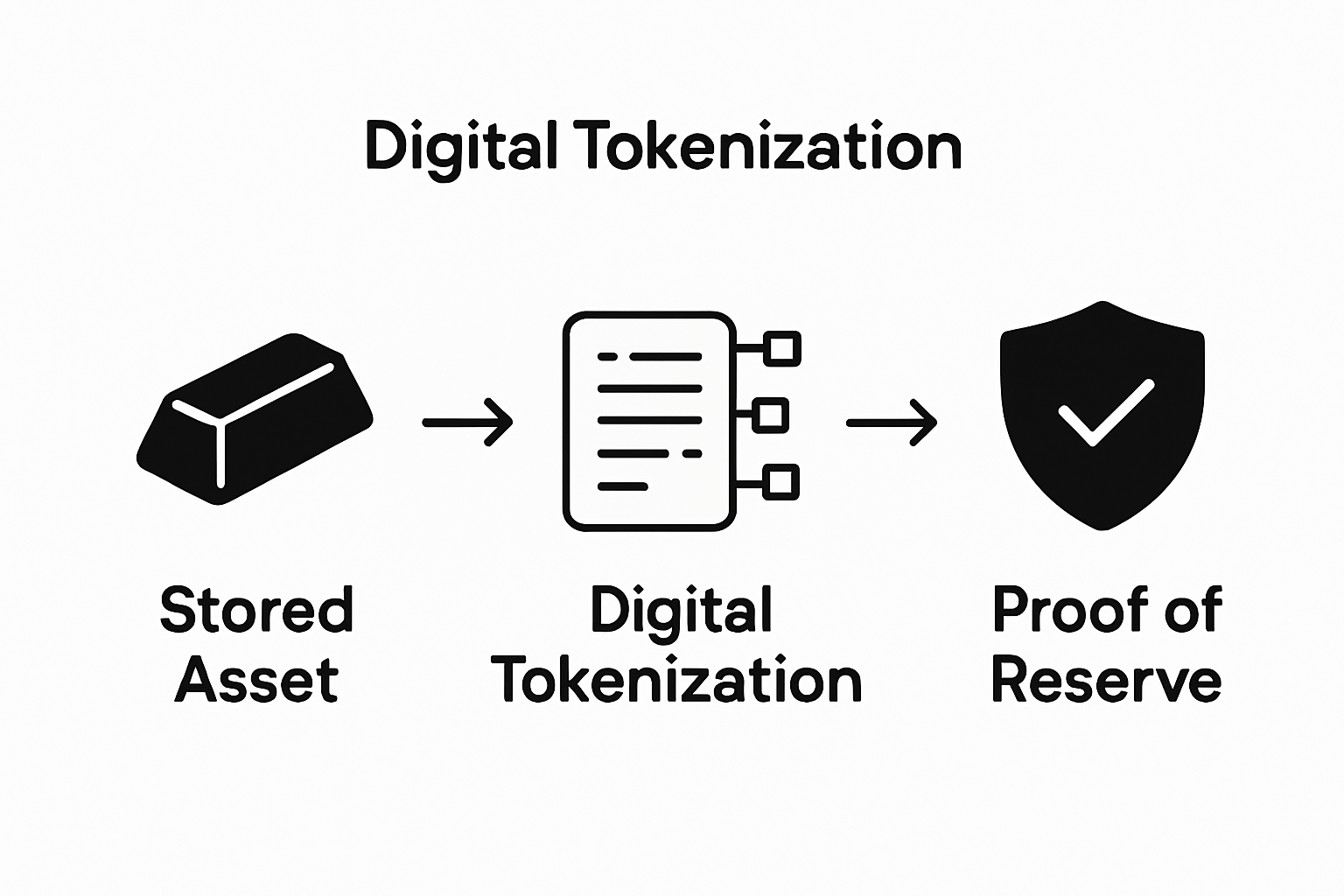
Pro Tip for Investors: Develop a systematic approach to evaluating proof of reserve mechanisms by examining the frequency of audits, the credibility of verification sources, and the technical sophistication of the asset tracking infrastructure.
Investor Protections and Regulatory Compliance
Investor protection in the blockchain asset tracking ecosystem represents a sophisticated multilayered approach that combines technological safeguards, legal frameworks, and regulatory compliance mechanisms designed to secure digital asset investments. Advanced blockchain networks have emerged as critical infrastructure for creating secure, privacy-preserving transaction environments that align with stringent financial regulatory requirements.
The key components of comprehensive investor protection strategies include:
- Rigorous Know Your Customer (KYC) protocols
- Anti-money laundering (AML) verification processes
- Transparent asset ownership documentation
- Automated compliance monitoring systems
- Real-time risk assessment mechanisms
Blockchain technology enables unprecedented levels of regulatory transparency by creating immutable, auditable transaction records that can be instantly verified by authorized financial regulators. The smart contract infrastructure allows for automatic enforcement of compliance rules, dramatically reducing the potential for fraudulent activities and ensuring that every transaction meets predefined legal and financial standards.
The technological framework supporting investor protections integrates multiple security layers, including cryptographic identity verification, decentralized governance protocols, and automated regulatory checkpoint mechanisms. These sophisticated systems work collaboratively to create a comprehensive protection ecosystem that addresses the unique challenges of digital asset management while maintaining the highest standards of investor security and regulatory alignment.
Pro Tip for Investors: Always conduct thorough due diligence by examining an asset’s regulatory compliance certifications, understanding the specific investor protection mechanisms in place, and verifying the transparency of the underlying blockchain infrastructure before making any investment decisions.
Risks, Costs, and Common Pitfalls
Blockchain asset tracking presents a complex landscape of potential challenges that investors and managers must carefully navigate to ensure successful digital asset implementation. Technical challenges in tokenizing precious metals reveal multiple critical risk areas that demand strategic mitigation and comprehensive understanding.
The primary risks and potential pitfalls in blockchain asset tracking include:
- Regulatory compliance complexities
- Technological infrastructure vulnerabilities
- Cybersecurity exposure points
- Liquidity limitation risks
- Smart contract execution errors
- Market volatility impacts
Blockchain deployment challenges demonstrate that scalability and integration complexities can significantly increase operational costs and reduce the efficiency of digital asset platforms. These technical limitations often manifest through increased transaction processing times, higher infrastructure maintenance expenses, and potential performance bottlenecks that can undermine investor confidence.
The financial risks associated with blockchain asset tracking are multifaceted, involving technological infrastructure costs, compliance management expenses, and potential security breach mitigation investments. Sophisticated investors must develop comprehensive risk assessment frameworks that account for both technical vulnerabilities and potential economic disruptions inherent in emerging digital asset ecosystems.
Pro Tip for Risk Management: Develop a dynamic risk assessment protocol that includes regular technological audits, continuous compliance monitoring, and adaptive security infrastructure to proactively identify and mitigate potential blockchain asset tracking vulnerabilities.
To understand blockchain asset tracking risk management, see this summary of major risks and how to address them:
| Major Risk | Example Impact | Mitigation Approach |
|---|---|---|
| Regulatory Complexity | Legal fines or asset freezes | Use legal counsel, compliance reviews |
| Infrastructure Failure | Asset loss or unavailability | Regular audits, system redundancy |
| Cybersecurity Breach | Theft of digital assets | Employ multi-factor authentication |
Secure Your Investment with Trusted Blockchain Asset Tracking
The article highlights the critical need for transparent, immutable tracking and proof of reserve when investing in precious metals through blockchain technology. If you are worried about ownership verification, regulatory compliance, and real-time asset tracking, you are not alone. These pain points reflect common challenges investors face when navigating the complex world of tokenized gold and silver. At UK Financial Ltd, we address these concerns head-on by offering a platform where every digital token is backed by verified physical reserves, audited regularly, and tracked through advanced blockchain protocols.
Experience the power of secure digital asset management combined with tangible precious metal backing. Our solutions cover everything from comprehensive proof of reserve reports to live token performance data, ensuring your investments are protected with strict regulatory oversight and transparent governance. Whether you seek wealth preservation or exposure to innovative asset-backed cryptocurrencies like Maya Preferred PRA or MayaCat, our ecosystem supports your goals with cutting-edge security and accountability.
Discover how real-time blockchain asset tracking can transform your investment strategy by visiting UK Financial Ltd. Start building confidence today with a platform that prioritizes trust, transparency, and security.
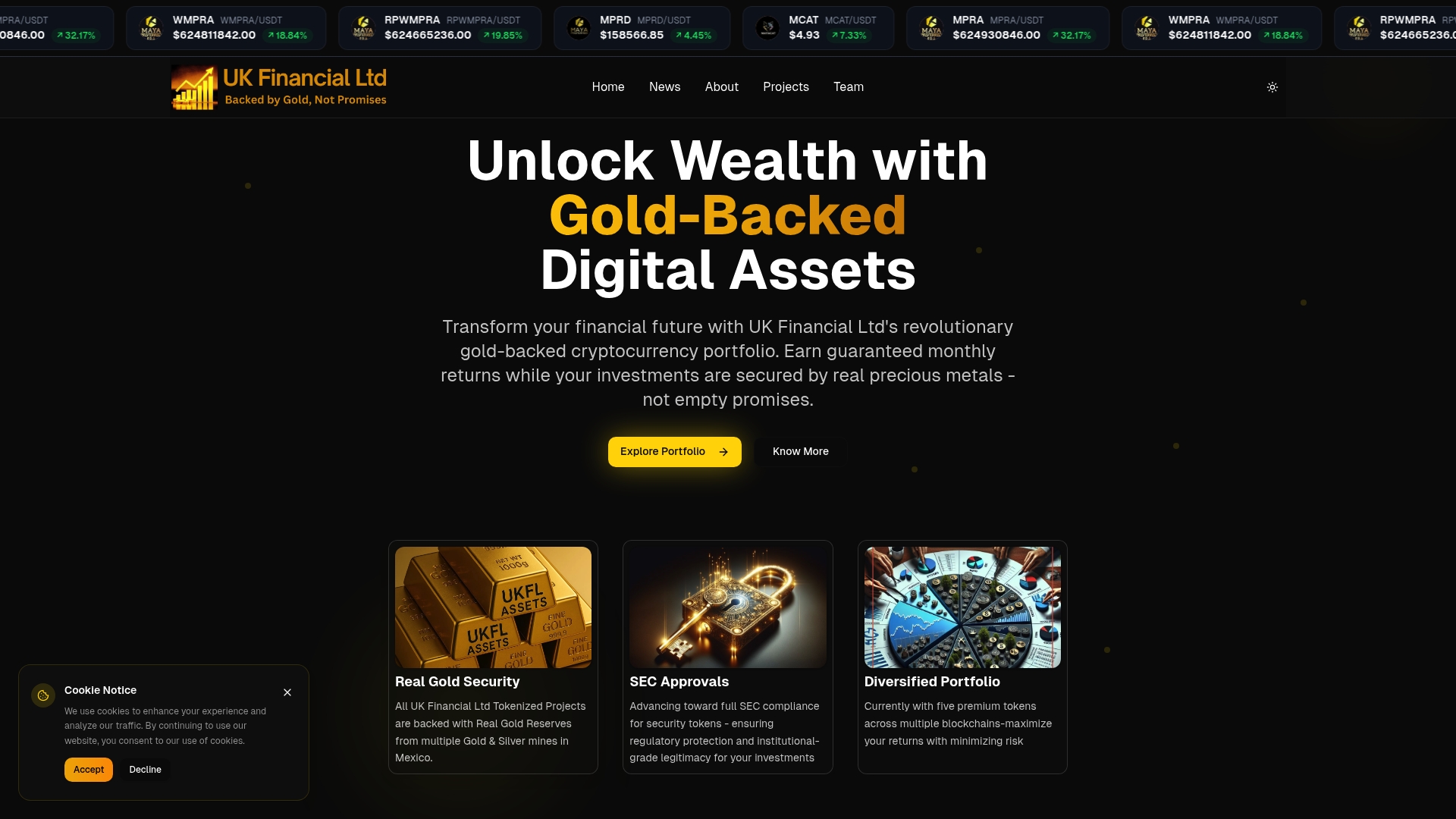
Ready to elevate your precious metal investments with blockchain technology that truly delivers on trust and transparency We invite you to explore more about our portfolio and regulatory commitments now at UK Financial Ltd. Secure your place in the future of asset-backed digital investing and see how tokenization can work for you.
Frequently Asked Questions
What is blockchain asset tracking?
Blockchain asset tracking is a technology that uses decentralized digital ledgers to monitor and verify the movement, ownership, and authenticity of physical and digital assets, ensuring transparency and security throughout their lifecycle.
How does tokenization work in the context of precious metals?
Tokenization converts the ownership rights of precious metals into digital tokens on a blockchain, allowing each token to represent a specific portion of the physical metal, enhancing transparency and traceability.
What are the primary risks associated with blockchain asset tracking?
Key risks include regulatory compliance complexities, technological vulnerabilities, cybersecurity threats, and market volatility, all of which require ongoing risk management and careful monitoring.
How can proof of reserve enhance trust in tokenized assets?
Proof of reserve provides transparency by allowing independent verification of the actual assets backing tokenized assets, utilizing third-party audits and real-time verification protocols to ensure that digital tokens are genuinely supported by physical assets.
Recommended
- UK Financial Ltd – Gold-Backed Cryptocurrency Portfolio
- News | UK Financial Ltd
- UK Financial Ltd Confirms Official Corporate Structure of the Maya Preferred Project and Its Dual-Class Token System
- UK Financial Ltd Sets Official 30-Day Conversion Deadline for Three Exchange-Listed Tokens Ahead of Regulated Upgrade